Congratulations to the 2025-2026 scholarship recipients!
Avery Brooks
Recipient
Baylor College of Medicine
This scholarship enables me to focus fully on my training without the burden of financial strain, allowing me to provide the highest quality care to my future patients as a physician assistant.
Living with juvenile idiopathic arthritis has profoundly shaped my journey, especially as a college athlete. What once felt like insurmountable limitations are now opportunities to cultivate resilience, grit, and a deeper empathy for others. Each day presents unique challenges, such as discerning the difference between arthritic pain and the expected soreness that comes from intense collegiate training, balancing academic responsibilities and work against the essential need for rest, and managing medications, insurance, and appointments while living far from home.
From an early age, my providers instilled in me a conviction that my diagnosis does not define me. Instead, they showed me that self-awareness, effective communication, and perseverance are tools that enable me to pursue any passion. This perspective has shaped how I approach adversity: I focus on controlling what is within my reach, and I lean into the strength found in community. My treatment team, coaches, teammates, mentors, and mentees have each shown me that while our challenges may differ, hardship is a universal experience, and through mutual empathy and encouragement, we can push one another past our perceived limitations.
Evin St. Clair
Recipient
University of Virginia
For me, this scholarship means building on my commitment to making a difference through supporting my educational experience. As an aspiring software engineer, I’m passionate about building technologies that expand access, raise awareness, and improve socioeconomic mobility in communities around the world.
Snehi Shah
Recipient
The University of Toledo College of Medicine and Life Sciences
I’m honored to receive this scholarship and excited to represent both the UC community and my school as I pursue a career in medicine focused on compassionate care.
Ulcerative colitis is persistent in my life—sometimes disruptive, usually quietly burdensome, but always shaping the way I move through the world. Chronic abdominal pain, unpredictable bowel urgency, sleepless nights, and the need to meticulously plan every outing around bathroom access are not just medical symptoms; they are daily reminders of a body that defies predictability and a life defined, partly, by invisible suffering. Perhaps the most isolating aspect of this disease is precisely that invisibility, when pain, fatigue, and limitation are met not with understanding but with disbelief or minimization.
Despite ongoing flares and emotional tolls of chronic illness, I’ve persisted in my education and pursuit of medicine. To any student living with chronic inflammatory disease, I would say that your experience gives you a unique strength. You should advocate for your needs, embrace flexibility, and never let shame convince you that you are less capable.
Grace Rall
College of William and Mary
Living with juvenile idiopathic arthritis has affected nearly every aspect of my life, but I’ve made a conscious choice not to limit what I’m capable of. While my peers navigate everyday challenges typical of 17-year-olds, I often sit in classrooms battling pain invisible to others. Rather than letting my diagnosis be an excuse, I’ve chosen to embrace it and use my experience to cultivate empathy and advocate for others.
Over the past four years, I’ve been recognized for leadership and service across multiple communities. Voted crew captain, I lead and inspire my team through physically demanding seasons—often while managing my own pain silently. My experiences with chronic illness and emotional vulnerability have informed how I lead. I know what it’s like to feel burdened by a diagnosis or overwhelmed by circumstances beyond my control. That empathy has become one of my greatest strengths.

Kaylee Goodwin
University of Oklahoma
Living with atopic dermatitis has shaped nearly every aspect of my life. The more I learned about my condition, the less it controlled my life and education—what started as a frustrating condition became a daily challenge that taught me resilience, patience, and a desire to understand why treatments often fell short. When you’ve lived with a condition that affects your skin, your confidence, and your daily comfort, you don’t just learn to manage it, you start to question it: Why hasn’t anyone found a better solution yet? With my education, I plan on diving into dermatological research. I want to help develop treatments that suppress flare-ups and work with the body to prevent them entirely.
Read more
Robbie Bolton
Southern Union State Community College
Many see me as a girl with a disease (polyarticular juvenile idiopathic arthritis), but I see myself as someone with purpose. My journey has inspired me to pursue a career in immunology, where I can use my experience to bring hope and support to others, helping me become the kind of nurse who not only understands clinical care but also truly empathizes with patients living with lifelong conditions. This scholarship is an investment not just in my education, but in the lives of the future patients and families I will serve.
Read more
Alexander Campbell
University of Texas at Austin
My interest in holistic medicine stems from my experience. Growing up, I witnessed chronic illness firsthand with my dad’s battle with pulmonary sarcoidosis and my struggle with plaque psoriasis. Living with psoriasis shaped my personal understanding of holistic care. I want to explore how factors like diet, pollution, and stress affect respiratory health and how integrative interventions can help mitigate disease. I’m especially committed to advocating for patient-centered, holistic care in underserved communities, ensuring that treatment plans address both symptoms and the broader forces shaping health. I now view my psoriasis as part of who I am versus something to be ashamed of.
Read more
Keagan Brennan
University of South Carolina, Columbia
By spring of 2024, I was living with a complex mixture of plaque psoriasis, psoriatic arthritis, and hidradenitis suppurativa. I was not prepared for being dropped 800 miles from home with painful nodules, oozing wounds, extreme heat, difficulty walking, and a myriad of new medicines to manage. I desperately tried to put my best face forward while juggling academics and hiding symptoms from my new roommates. Given the severity of my hidradenitis suppurativa, it was necessary to find a new doctor in my college town. She took one look at my scarred/tunneling body and crushed my spirit. She said, “Life is unfair, isn't it? You should take the year off from school, move back home and get this under control.” I dried the tears streaming down my face and regained my composure. I told her that was not an option.
Thanks to this scholarship, I am able to focus on my business degree as well as my health, and not have to be as stressed about taking on more hours at my job that helps pay for my education.

Sophia Olszak
University of North Carolina at Pembroke
After what seemed like forever and many tests, a rheumatologist diagnosed me with juvenile idiopathic arthritis. I thought that knowing the diagnosis would solve my problems, but, because my running form changed from pain, I started limping. I suffered a fracture in my femoral neck, and I was facing hip surgery. Once my stress fracture healed, I had to contend with the realities of this new chronic condition. Even if life isn’t what I thought it would be, one thing is for sure: Life goes on.
Juvenile idiopathic arthritis has brought good things into my life. I learned the importance of proper nutrition and fueling my body. While I am in college, I am committed to participating in collegiate level cross-country and track, making it very difficult to work during the academic year.
Emily Price
University of Alabama
Though my limitations were sometimes embarrassing, and I often attempted to conceal them, as I entered high school my confidence increased, and I became determined to raise awareness for the struggles of individuals like me. I engaged with state legislators to advocate for pay increases benefiting childhood illness specialists, and I contested traditional step-therapy practices. I became involved with the Arthritis Foundation, participating in fundraising efforts and serving as a junior ambassador. I contacted pediatricians offering my time to counsel juvenile idiopathic arthritis patients. With time, I learned how to focus my effort to become successful academically and athletically. I would tell another student with the same diagnosis to stay positive and always advocate for themselves; if I had not, each flare would have affected my educational experience to a possibly detrimental extent.
Read more
Audrey Badza
Baldwin Wallace University
I've known I wanted to become a physician assistant since undergoing surgery when I was 13 years old. During college, my interest in this profession was strengthened by working as an emergency medical technician and clinical technician, volunteering, and shadowing multiple physician assistants. My experiences have solidified my decision and provided me with the necessary skills and knowledge, and my experience navigating three chronic diseases—polycystic ovary syndrome, acid reflux, and Crohn's disease—throughout college shows my perseverance.
I plan to work as a gastroenterology physician assistant. I feel that I can use my personal experiences to help others navigate their chronic conditions. My experiences will allow me to build strong relationships with patients and show them how to navigate inflammatory diseases.
Macy Coad
University of the Pacific
I was diagnosed with juvenile arthritis and uveitis at 18 months old. Being so young, the pain and emotional turmoil of a chronic disease is all I’ve known. I’ve spent a lot of time in hospitals and infusion centers. The first 10 years of my life I wasn’t thriving physically or mentally.
My diagnosis led me to connect with the Arthritis Foundation, finding comfort and support with other juvenile arthritis families. Each year, my family participates in the Walk to Cure Arthritis and has raised over $250,000 to support arthritis research and programs. I hope to use both my personal experience and my education to make a meaningful impact, just as so many doctors have done for me. Despite my challenges, I’ve found strength in my experiences and learned that obstacles lead to growth.
Devki Bhatt
University of North Carolina at Chapel Hill, School of Pharmacy
Being diagnosed with juvenile idiopathic arthritis at 14 has given me time to realize a lot about myself; I am strong, have a great support system, and things could be worse. As I grew older, I switched my perspective to make the best out of what I was given, as there are certain things in life that we cannot control. I became grateful that I could view things from a unique perspective. Additionally, my mother has rheumatoid arthritis—she is the strongest person I know, and I have watched her through some of her toughest moments; if she is able to overcome these challenges, so am I.
Throughout this journey I have learned many valuable lessons. This disease came with a plethora of challenges, such as joint issues, side effects from medication, financial barriers, and self-worth-questioning. Some days will be harder than others, which is okay. It is important to prioritize your mental and physical health because if those deteriorate, it is not beneficial for anyone. It is also okay to ask for help—you are not going through this alone. Although living with a chronic inflammatory disease can be daunting, I have learned to use it as a tool for growth.
Majd Yahya
University of Michigan
The most valuable lesson that I learned throughout my Crohn’s disease journey is that time and health are not guaranteed. This lesson was most apparent during my bowel resection. I could not care for myself whatsoever and because of this experience, I now embrace every second of health. I work to help others experiencing similar struggles, raising over $20,000 for Crohn’s disease research while volunteering in the Crohn’s & Colitis Foundation community and mentoring newly diagnosed patients. Additionally, my experiences have motivated me to work towards becoming a physician.
My condition always reminds me that growth occurs through periods of adversity. Because of my perspective, I approach each short-term and long-term obstacle with optimism, knowing that these obstacles will provide me with several takeaways that will continue to shape the person I become.
Lynlee Jerke
University of Southern Indiana
Life’s journey is full of twists, turns, and unexpected battles. My battle began when I developed atopic dermatitis (eczema) that caused my skin to crack, bleed, and burn daily. The emotional toll—the stares, the questions, the feeling of being different—cut even deeper. Eczema affected every corner of my life. Frequent doctor visits meant missed school days. Painful flare-ups made concentrating difficult and physical activities even harder. Some mornings, even getting dressed hurt. But giving up was never an option. Eczema has taught me that scars tell stories of survival. It taught me that hope matters. As I look ahead to becoming a teacher, I carry that hope with me. I want my future students to know that no struggle—seen or unseen—defines them.
Read more
Natalie Tomica
Oakland University
I was diagnosed with inflammatory bowel disease when I was 2 years old; I’ve grown up learning how to manage my health and navigate a system that doesn’t always listen, especially to young patients. Now, as a doctor of physical therapy student, I’m determined to use my education to become the kind of provider I once needed: someone who listens, believes, and fights for their patients. While I’m drawn to several areas, I am particularly motivated to work with individuals managing long-term conditions. I look forward to using my education not only to provide hands-on care but also to advocate for those navigating complex health challenges.
Read more
Venkatsai Bellala
Brown University, School of Medicine
Ten years ago, perseverance took on new meaning for my family when I was diagnosed with Crohn’s disease. Despite no family history and no relatives nearby for support, my parents became my fiercest advocates. My mother dove headfirst into researching diets to ease my symptoms, my father drove two hours to Chicago every two months to see the state’s best pediatric gastroenterologists. They remained relentless in their pursuit of the best care for me, imparting lessons I carried into my role as a community coordinator in college.
Living alongside my residents, I worked to ease their daily burdens just as my parents had done for me. My lived experiences as a patient now guide how I find community as a medical student. I joined my school’s Medical Students with Disability and Chronic Illness (MSDCI) chapter, facilitating conversations about how illness intersects with medical training, sharing resources I once needed myself, and working with faculty to promote disability education. Managing this chronic condition while pursuing rigorous academic responsibilities has instilled in me a unique resolve to develop medical solutions for people facing similar challenges. I hope to demonstrate that our conditions are not insurmountable barriers, but rather, powerful sources of strength and empathy that shape the way we care for our patients.
Madeline Kuta
The Ohio State University, Columbus Campus
During my sophomore year, I missed over 200 hours of school because of failed medications, resulting in a weak immune system, agonizing stomach pain, and countless doctor appointments. Over the course of my sophomore year, as my ulcerative colitis wreaked havoc on my body, my health left me feeling out of control. However, my academic performance was one aspect of my life that I felt I could fully control; by communicating with my teachers, working hard, and using my energy to put effort into my studies, I was able to control the course of my academic success.
When first being diagnosed with ulcerative colitis or a similar chronic inflammatory disease, it’s so easy to feel frustrated, resentful, embarrassed, and even lonely—I remember the first time I had a colonoscopy (the prep resulted in hours in the bathroom), and after years of struggling, I have been able to accept the reality of annual scopes, constantly monitoring my body, frequent doctor appointments, and needing to know where the closest bathroom is. This illness can be draining. What’s important is that you understand we all have bad days, especially when dealing with this disease, but those days do not define you.
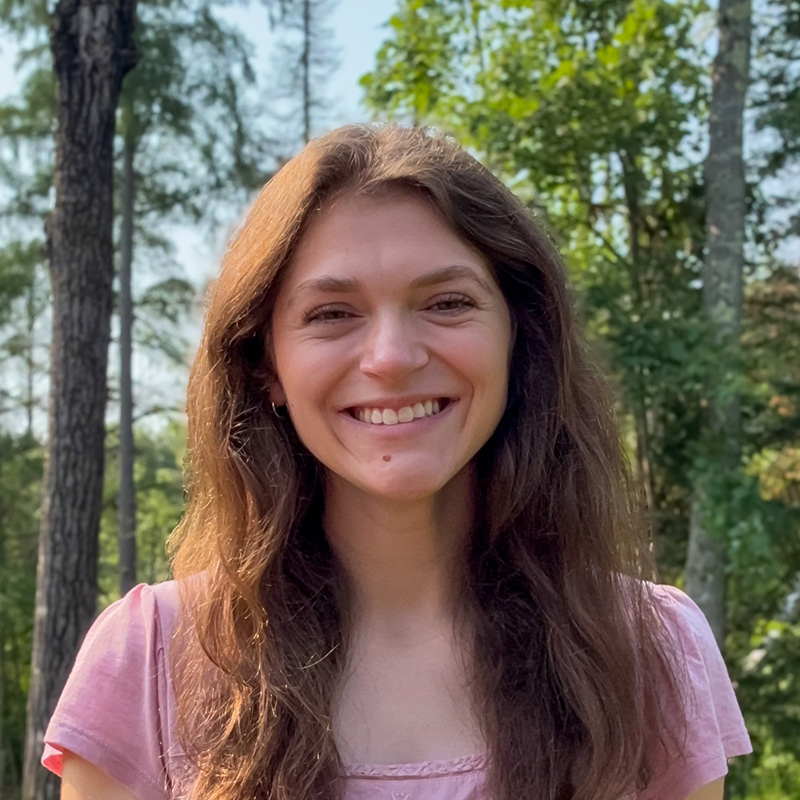
Jena Garceau
University of Wisconsin-Stevens Point
I spent months in and out of the hospital battling my illness, this was very challenging as a 17-year-old who was already missing out on so many senior year activities. However, my community came together to find ways to support me—so many people sent me cards and flowers, and my whole school signed a poster and sent letters. My favorite memory is the day my cross-country team ran to my hospital and waved to me from outside; I had been starting to really struggle mentally and seeing them really boosted my spirits.
Before my surgery a nurse gave me a cute ostomy cover which really helped my confidence and morale. I started sewing my own covers that had a lot of funny and cute designs, I named my ostomy Stacy; every day at school my friends would ask me what outfit Stacy was wearing. It made having an ostomy less intimidating and allowed me to have fun making and choosing Stacy's outfits. I often reflect on the day I received the ostomy cover from that nurse. I am so thankful for that small act that I believe made a big difference and saved my sanity during that time. Despite the struggles I have had navigating classes due to fatigue and pain, surprisingly, ulcerative colitis has helped my academic career. Without it, I would have never discovered how much I love research. It’s how I found my niche and why I am so involved in career-building activities.

Lindy Winkler
The Ohio State University, Columbus Campus
I haven't eaten a single piece of popcorn since I was 7. Neither have the other 965 campers at the Crohn’s and Colitis Foundation Camp Oasis. But that kernel doesn’t single us out from the world, it unifies my camp community, the people who understand what it means to live with a chronic illness.
From my years at Camp Oasis, I have learned the importance of a supportive community when dealing with a chronic illness. My camp community has shaped who I am today and provided me with a foundation of support, love, and encouragement that I am forever grateful for. After my last year at camp, I also created a Camp Oasis ambassador program. In the future, I hope to become a pediatric nurse practitioner. Since getting diagnosed with Crohn’s disease at 7 years old, I have always had a passion for science and medicine. I wanted to become the people that surrounded me and cared for me in hospitals and doctor’s offices. I can only hope that I can be as supportive and amazing as the people who helped me during my many procedures and visits.
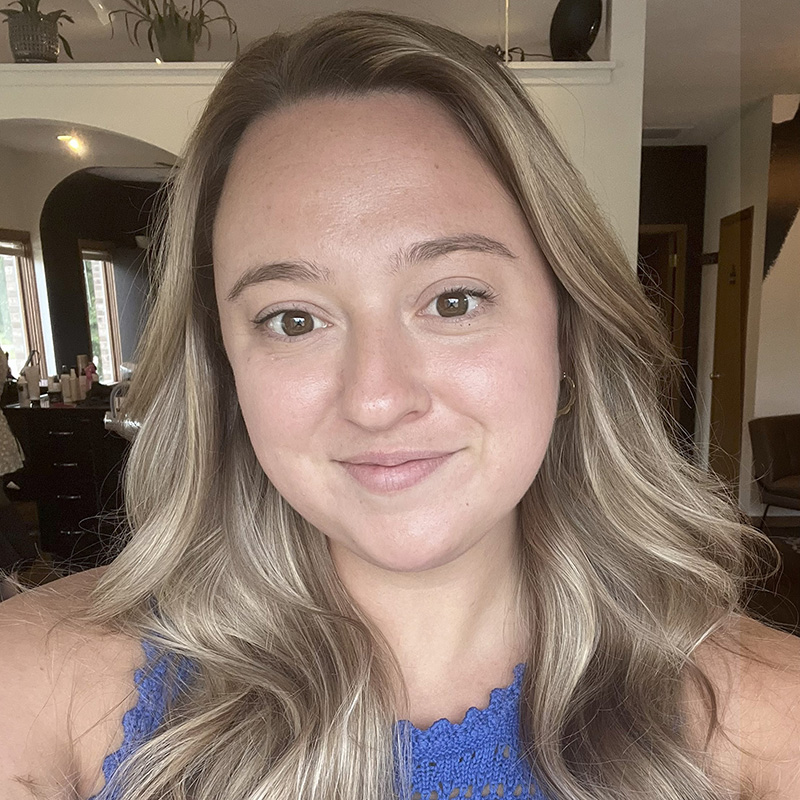
Bailey Rann
Michigan State University
When I was 8 years old, I was diagnosed with juvenile idiopathic arthritis. Making my way through elementary, middle, and high school was no easy feat, and pursuing a full-time college education seemed out of the question. I enrolled at my local community college, giving myself permission to take classes at my own pace and prioritize my physical health. After three years of taking general credits, I transferred to Michigan State University to pursue a bachelor’s in psychology.
To my dismay, the transition to managing life as a full-time student culminated in the worst autoimmune flare I had ever experienced. Soon thereafter, I was diagnosed with ankylosing spondylitis. As a graduate student, I still face challenges and self-doubt that are directly tied to my ankylosing spondylitis. I’ve missed classes due to adverse reactions to treatments and rheumatology appointments, and the demands of financially supporting myself and pushing my research forward have had a detrimental effect on my ankylosing spondylitis. Nonetheless, I am confident that I belong here. I am beyond proud of myself for never giving up.
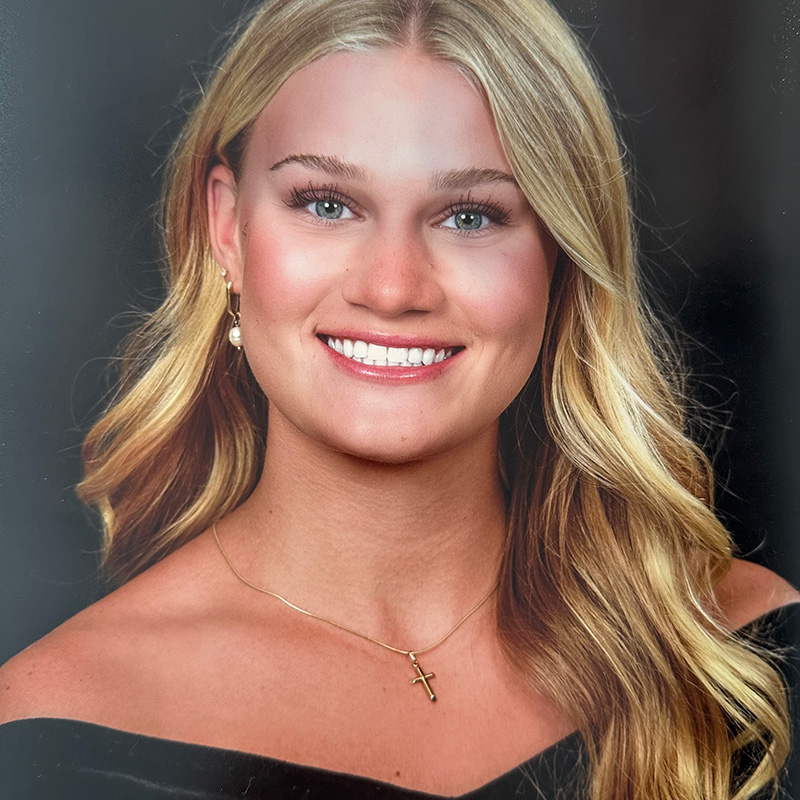
Ashlyn Martel
James Madison University
For much of my life, I’ve silently struggled with eczema/atopic dermatitis, a relentless and painful condition that impacted more than just my physical health; it touched nearly every part of my daily experience. Over time, I developed a quiet resilience. I learned to manage pain, advocate for myself, and keep pushing forward even when things felt impossible. It taught me empathy, especially for others with invisible conditions, and shaped my goal of pursuing a career in health care so one day I can help others manage pain, recover, and feel seen. Physical therapy became a natural fit: It’s a field grounded in healing, encouragement, and hands-on care, which are values I now hold deeply.
Read more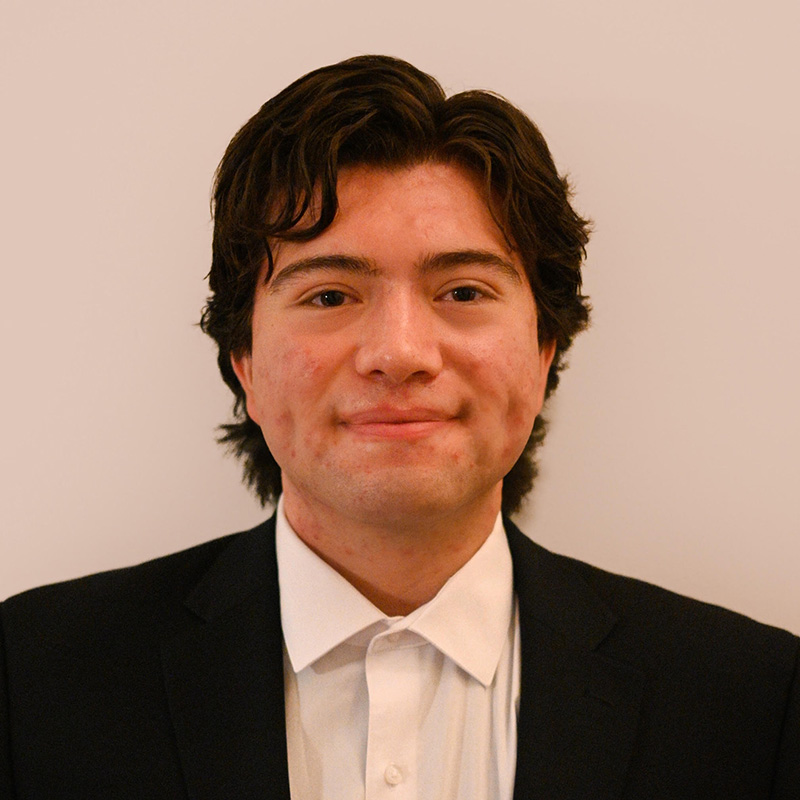
Alessandro Ruiz
University of North Carolina at Charlotte
Each day begins with a challenge: waking up and knowing it will take me nearly two hours to leave the house. On some days the pain is overwhelming, making basic tasks exhausting. Social events are difficult. I began to see myself as someone who needed help, not someone who could help themselves. I let my illness become an excuse for physical setbacks and school, too. That realization hit hard. I had a choice: continue down that path or fight to reclaim control. It wasn’t instant or easy—I spent lunch periods and after-school hours with teachers, making up for missed work, and I missed half of my senior year due to pain and illness. Despite that, little by little, my grades—and confidence—improved due to my hard work.
I used to think less of myself because of my hidden suffering. Over time, my perspective shifted. I found resilience in my hardest battle, not in never falling but in choosing to push forward when it was hardest. I no longer let my illness define me. I measure myself by how far I’ve come. Living with a chronic inflammatory disease has been a transformative journey filled with pain, frustration, and disappointment, but also resilience, growth, and newfound strength.

Joannah Freeman
Texas Tech University
Due to my passion for numbers and math, my goal is to pursue an accelerated bachelor’s of business administration and master’s in accounting to become a certified public accountant. My passion to help people and businesses motivates me. My long-term goal is to start my own accounting firm in my rural hometown; to be the best I can be for my community. I am excited to help all kinds of businesses make decisions to thrive, specifically small local businesses. I know my drive and passion for numbers, people, and businesses will make a tremendous impact in helping local businesses thrive and grow.
Read more
Alexei Bullara
California State University, Los Angeles
Living with ankylosing spondylitis and other chronic illnesses has taught me to be resourceful, persistent, and deeply committed to access for myself and others. These experiences aren’t just personal; they’re shaped by systemic gaps that often exclude disabled students from full participation. I’ve worked to close those gaps, not only through self-advocacy but through collective, structural change. I’m incredibly grateful for the support systems that have carried me: friends, chosen family, the university’s Office for Students with Disabilities, and a monthly peer-led social work student support group where we share resources, strategies, and reminders that we’re not alone. That community reminds me why I do this work—not just to survive systems, but to help transform them.
After a professor initially denied accommodations during a severe flare-up, I committed to making accessibility a priority. I helped implement the first-ever livestream option for our department’s honors convocation so disabled students could participate. I also redesigned a mandatory social work training module to fix broken components, add captions, clarify instructions, and automate feedback to make the program more inclusive for chronically ill, disabled, and neurodivergent students. Through my leadership in the Tau Eta chapter of the Phi Alpha Honor Society, I’ve helped other disabled and chronically ill students navigate flare-ups, accommodations, and academic stress.
Tia Bell
University of California, Los Angeles
I am incredibly grateful to receive the support of the AbbVie scholarship as I pursue a degree in microbiology, immunology, and molecular genetics at the University of California, Los Angeles. My ultimate career goal is to become a biomedical/genetic researcher. My interest in this subject was sparked by my own conditions.
From age 9, I was often in pain, which I attributed to skating, yet I loved the sport too much to stop. But sophomore year, I couldn’t ignore the pain any longer. I had daily fevers for months, accompanied by nausea, vomiting, joint pain, and fatigue, and I had become so weak that skating was impossible. Over the years, I had learned that resilience, hard work and a positive mindset are the real keys to success. That perspective has been one of the greatest life lessons, helping me deal with the daily challenges of my condition and giving me purpose as I redefined my goals.
I've always known I wanted a career in science or public health. To achieve my future career, I will need both undergraduate and postgraduate study. This scholarship would be invaluable for me to pursue my academic goals.